

Op-ed
Working alongside AI: what has to change
Korea Deep LearningPublished
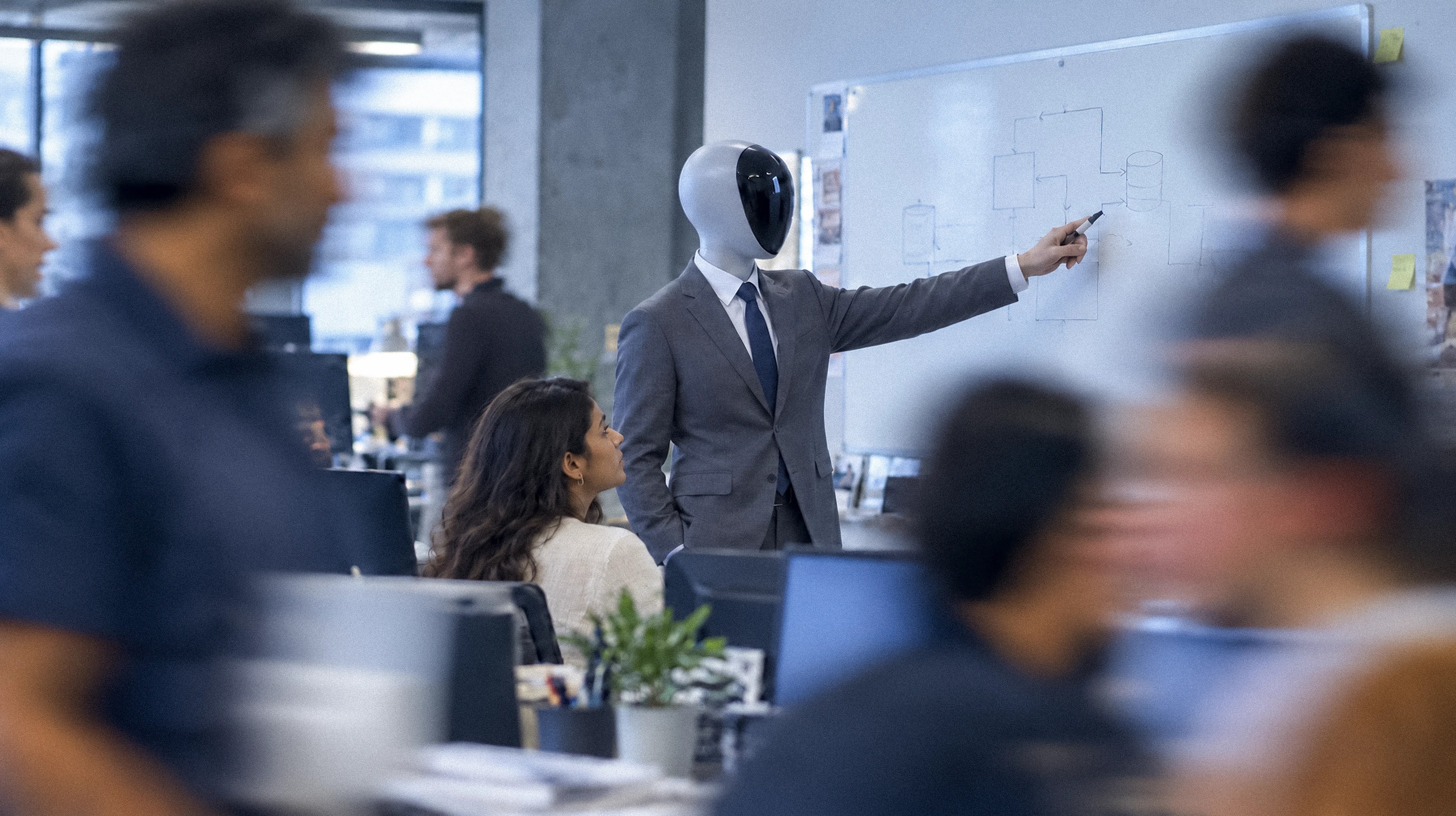
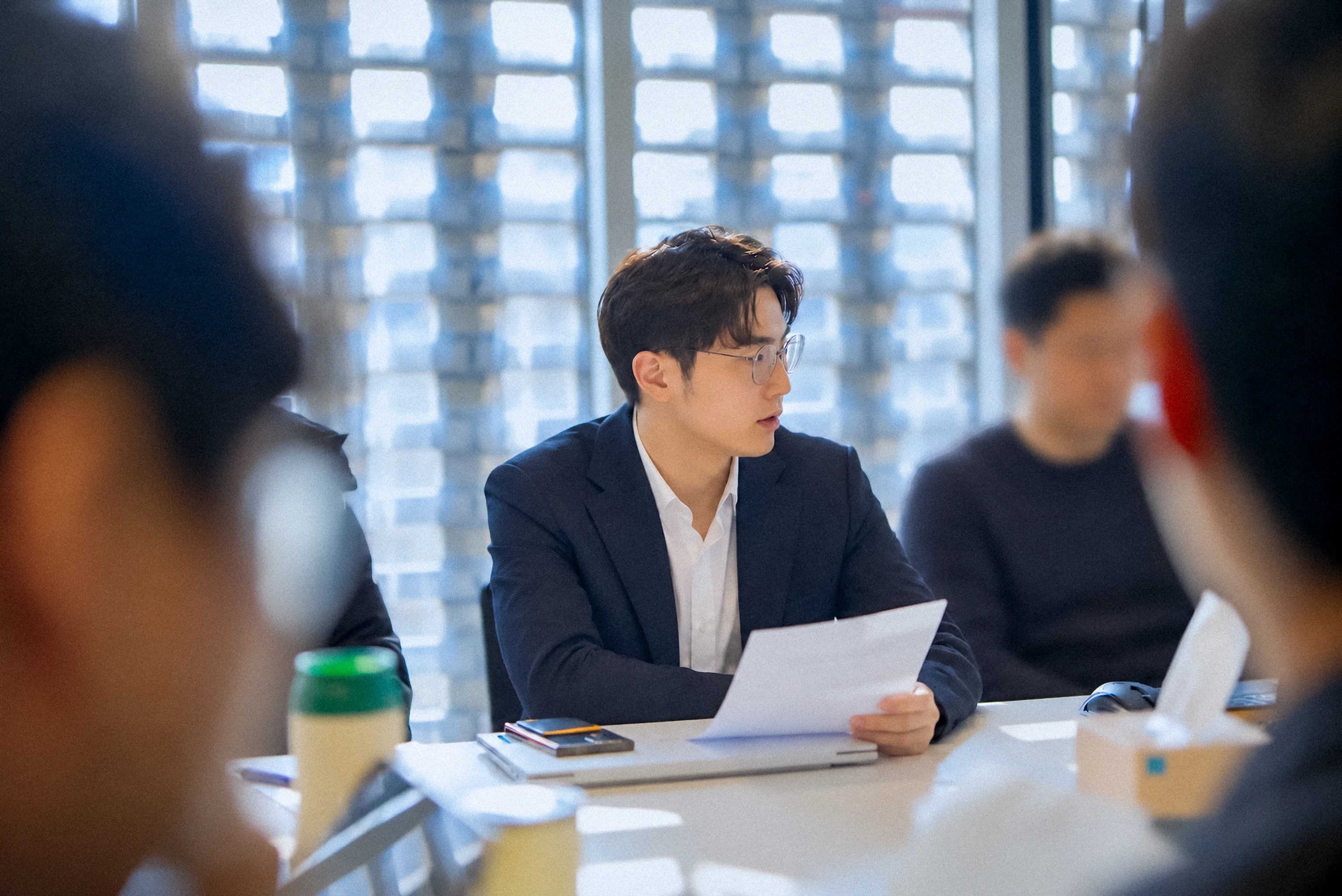
Kim Ji-hyun, CEO of Korea Deep Learning, contributed an op-ed to AI Times titled "Working alongside AI: what has to change."
AI is a colleague who has just joined
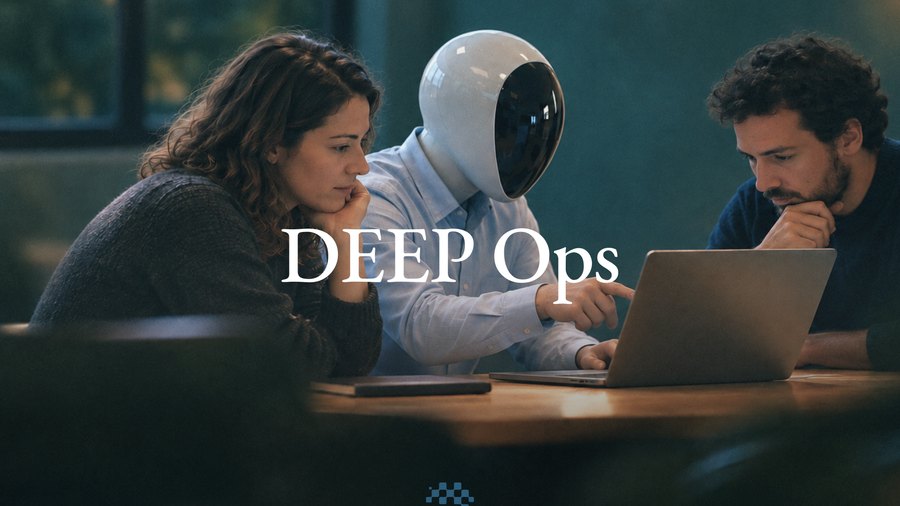
The op-ed starts from the observation that the driver of automation has changed. In past automation, people were at the center and AI assisted, but now AI makes requests to systems directly, makes judgments and acts. Kim compares this to a new employee joining the team, and sees it as a change that reshapes an organization's work processes and culture. Kim also cited the case of a global consulting firm that brought AI into the work of 12,000 employees and cut time spent on audit and tax document work by up to 50%.
"In the end, I think adopting technology is about making us look back at how we actually work."
Start by handing over small tasks, and build an environment where AI can work
The starting point is repetitive work such as organizing meeting minutes or preparing onboarding materials for new hires. As successes from small experiments add up, they lead to a culture in which people treat AI like a colleague. As DEEP OCR deployment cases, Kim described how one financial company cut the time to process complaint documents by 60% and how one manufacturer automatically structured inspection reports that came in every kind of format.
Kim added that at first, people have to wait for AI and make room for it. Existing systems are designed around human users, which makes them hard for AI to work with. Their structure has to change so that they respond to requests clearly and retry automatically when they fail, and work processes that relied on unspoken communication between people also have to be laid out in a clear form that AI can handle. That is because AI does not read the room the way people do.
Records, approvals and the organization's standards
Once AI takes part in real work, it must be possible to trace who made which request and what the result was. Sensitive work such as payments and contract documents needs prior approval, and this matters even more in healthcare, finance and law. Along with management systems such as storing request histories, prior approval and access permission settings, there also need to be standards that make AI act in line with the organization's values and principles, Kim argued.
"In the end, I think trusting AI means building 'the organization's standards' into its judgments and actions."
AI adoption that everyone prepares for together
Adopting AI is not a job for the technology department alone. Every department, including HR, planning and operations, should be involved from the early planning stage, and the people doing the work should point out the repetitive and unnecessary tasks themselves. Letting people feel small successes builds trust better than a grand strategy, and when AI takes repetitive work off their hands, people can focus on judgment and creative work. Kim concluded that the question has to shift from "Should we adopt AI?" to "Are we ready to work with AI?", and that the way people collaborate, working standards, lines of responsibility and ways of communicating all need to be redesigned. AI only works properly when the attitude of people and organizations changes before the technology does.
The full op-ed was published in AI Times.
About Korea Deep Learning
Korea Deep Learning (KDL), founded in 2019, is an enterprise AI agent company. Built on KDL Frontier, its own vision-language model (VLM) specialized for documents, KDL makes AI agents that take on and complete the document work of businesses and public institutions. Its main products are DEEP OCR, DEEP Parser, DEEP Agent and DEEP Ops.