

Op-ed
The key to manufacturing AI security: understand the original, but control how it is used
Korea Deep LearningPublished
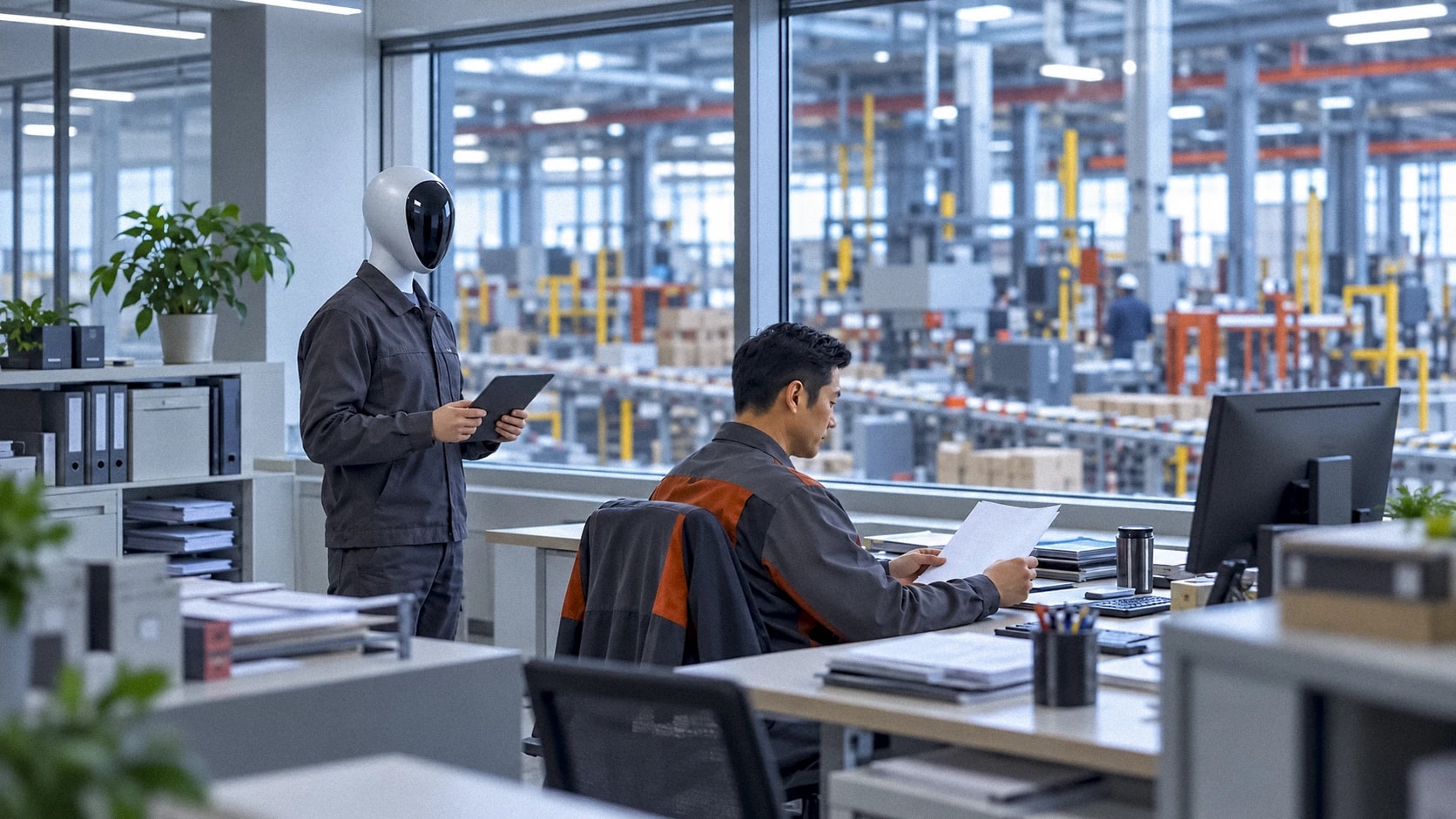
Kim Dong-hyun, head of Korea Deep Learning's Future AI Development Team, contributed "The key to manufacturing AI security: understand the original, but control how it is used" to AI Times. The gist of the piece is that the moment AI reads manufacturing documents, security stops being an infrastructure issue and becomes an issue of production competitiveness.
On the manufacturing floor, the question shifts from performance to security
In discussions of enterprise AI adoption, the first question is usually performance. How accurately it reads documents and how fast it handles the work become the evaluation criteria. But on the manufacturing floor, the author pointed out, the questions change. Whether AI may read this document, where the results of that reading are stored, who can see them, and which documents cannot be shared with suppliers or outside systems are weighed first.
Design drawings, BOMs, work standards, process condition sheets, quality inspection sheets, defect analysis reports, equipment inspection logs and supplier delivery documents contain product structures, part configurations, process conditions, inspection criteria, equipment status, cost flows and supplier information. Having AI summarize them and check for missing fields is useful, but if that information is shared with suppliers that lack permission, sent to outside models, or reused for other work, it becomes not a document processing problem but a "risk of leaking manufacturing competitiveness."
The sensitivity lies not in personal information but in processes and cost flows
The author explained that the core security problem of manufacturing documents differs in kind from personal information protection. What must be protected is not only personally identifiable information but how products are made and how costs are structured. As information builds up on which parts go into which processes, which suppliers provide key parts, and which defects keep recurring on particular equipment, it becomes possible to infer even product strategy, process stability, dependence on suppliers and the direction of cost improvements. If equipment inspection records are exposed, production capacity and utilization rates can be revealed, and if BOMs are combined with delivery information, cost structures and dependence on key parts can come to light.
Understanding the original is necessary, but its use must be controlled
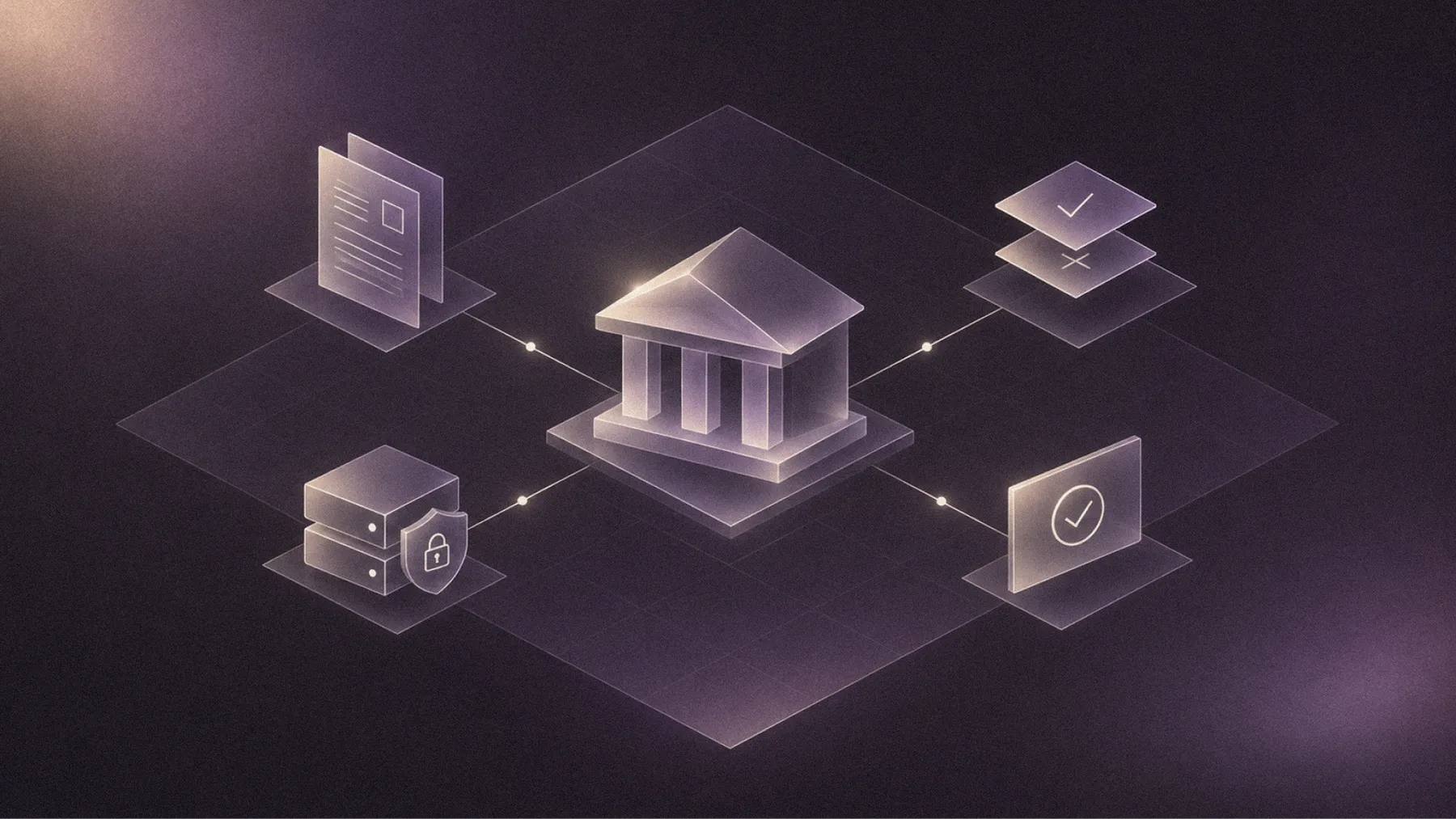
Manufacturing documents intertwine tables, codes, drawings, figures, annotations and attachments, so cutting out only part of the text makes accurate interpretation difficult. That is why AI has to understand the original structure and the relationships between fields. Still, the author stressed that understanding the original is different from using the original as is. Classifying the cause of a defect requires knowing the inspection items, measured values, the process where it occurred and when it occurred, but along the way there is no need to expose the product's full BOM, each supplier's pricing terms, core process recipes or equipment layout information at every stage.
"Security in manufacturing AI is not about blocking access to the original no matter what. It is about understanding the structure of the original at the document recognition stage, while designing the analysis, sharing and execution stages so that only the information needed for the purpose of the work flows through."
Separating the permission to read from the permission to act
AI reading a quality inspection sheet and flagging anomalies is a different level of permission from AI using that result to confirm a delivery rejection or stop a production line. Summarizing an equipment inspection log and automatically sharing it with a supplier are likewise different. The author pointed out that the greatest danger is not AI reading documents but AI going on to take actions that are not permitted, based on the documents it has read.
The author explained that the document-specialized work automation that Korea Deep Learning's DEEP Agent aims for meets this point as well. In manufacturing documents that mix tables, codes, field names, drawings, handwritten entries and inspection figures, the ability to understand the relationships between fields matters, and when it is combined with sensitivity classification, minimal information processing, and separation of viewing and execution permissions, it becomes a basis for automation that businesses can trust.
"Security is not a checklist item after AI is adopted; it is the starting point of manufacturing automation design."
— Kim Dong-hyun, Head of the Future AI Development Team, Korea Deep Learning
The full text appeared in AI Times.
About Korea Deep Learning
Korea Deep Learning (KDL), founded in 2019, is an enterprise AI agent company. Built on KDL Frontier, its own vision-language model (VLM) specialized for documents, KDL makes AI agents that take on and complete the document work of businesses and public institutions. Its main products are DEEP OCR, DEEP Parser, DEEP Agent and DEEP Ops.